Wired to Play: The Hidden Psychology Casino Games Use to Keep Aussies Spinning
Spend enough time on any online casino platform and you'll start to notice something: time moves differently. You sit down for a quick session before dinner, and suddenly it's two hours later. That's not an accident. It's architecture.
Modern casino game design is a discipline that borrows heavily from neuroscience, behavioural psychology, and even the same engagement frameworks used by social media platforms. For Australian players navigating an increasingly sophisticated digital gaming landscape, understanding these mechanics isn't just interesting — it's genuinely useful.
The Dopamine Loop You Never Signed Up For
At the core of nearly every casino game mechanic is a concept psychologists call a variable reward schedule. The term comes from B.F. Skinner's mid-20th century research on animal behaviour, where he found that unpredictable rewards — not consistent ones — produce the most persistent engagement. A rat that gets a pellet every time it presses a lever will stop pressing when the pellets stop. A rat that gets a pellet sometimes will keep pressing almost indefinitely.
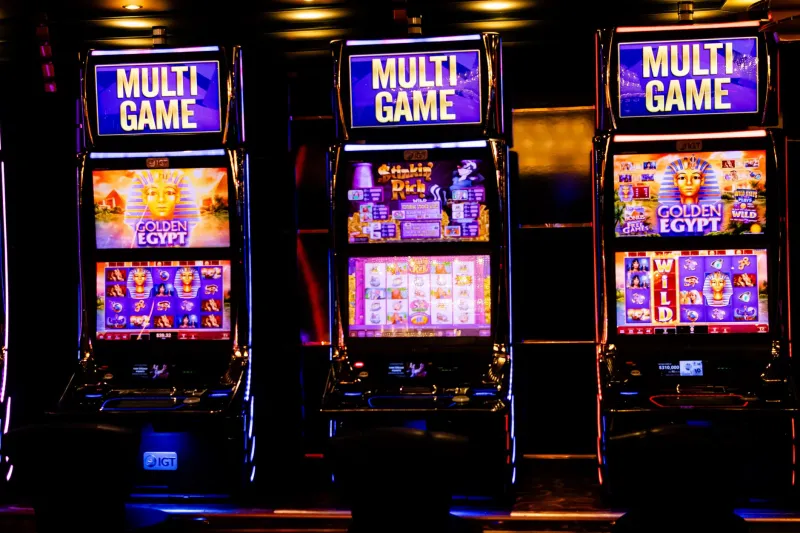
Slot machines — or pokies, as we call them here — are essentially Skinner boxes with better graphics. Every spin is an unpredictable event. The occasional win, the near-miss, the bonus trigger that teases itself for three reels before landing or not landing: all of it is calibrated to keep your dopamine system firing in anticipation rather than satisfaction.
The key insight here is that your brain responds almost identically to almost winning as it does to actually winning. Neuroimaging studies have shown that near-misses activate the same reward pathways as genuine wins — which is precisely why game designers lean into them so heavily.
Colour, Sound, and the Sensory Illusion of Luck
Visual design in casino games is far from arbitrary. Warm colours — reds, golds, oranges — dominate most pokies interfaces because they're psychologically linked to excitement, urgency, and appetite. They're the same colours used in fast food branding, and for the same reasons.
Gold, specifically, carries cultural weight around wealth and reward. It's no coincidence that win animations almost universally flood the screen in golden light and coin showers. These aren't aesthetic choices — they're emotional cues designed to associate the game with prosperity and good feeling, even when the net result of a session is a financial loss.
Then there's sound. Casino game audio is engineered with the same level of intentionality as a film score. Win sounds tend to use ascending tones and high-frequency chimes — frequencies that human brains associate with alertness and reward. The sounds that accompany near-misses are subtly different from outright losses, often including partial win jingles or anticipatory drum rolls that extend the tension rather than closing it off.
Silence, on the other hand, is almost never used. Ambient audio keeps players in a state of low-level arousal, preventing the mental reset that might prompt them to log off.
The Near-Miss: Gambling's Most Powerful Trick
Worth dwelling on separately because it's so effective: the near-miss is arguably the most potent psychological tool in the casino designer's kit.
In a genuinely random game, near-misses would be statistically unremarkable — just another losing outcome. But many modern pokies are programmed to display near-miss combinations (two jackpot symbols on the payline with a third just above or below) more frequently than pure randomness would produce. Regulators in Australia and elsewhere have scrutinised this practice, but it remains widespread.
From a player's perspective, the near-miss feels like almost having it. It creates a narrative: I'm close, the next spin might be the one. That narrative is fiction — each spin is statistically independent — but it's a compelling fiction, and it drives continued play.
Loss Aversion and the Sunk Cost Spiral
Casino UX design also exploits well-documented cognitive biases around loss. Humans are wired to feel losses more acutely than equivalent gains — a phenomenon psychologists call loss aversion. Losing $50 feels roughly twice as bad as winning $50 feels good.
Game designers use this by framing losses in ways that minimise their psychological impact. "Only" language in interface copy ("you only missed the jackpot by one symbol"), rapid rebet features that compress the time between a loss and the next wager, and autoplay functions that remove the deliberate act of choosing to spin again — all of these reduce the mental friction that might otherwise prompt a player to stop.
Bonus structures, too, are engineered around loss aversion. Welcome offers and loyalty rewards create a sense of existing investment in a platform. Once you've accumulated comp points or are close to a loyalty tier, the psychological cost of walking away increases. You've already "put in the work" — leaving feels like losing something you've earned.
Practical Ways to Play With Your Eyes Open
None of this means online gaming isn't genuinely fun or that you can't enjoy it responsibly. It does mean that going in informed gives you a meaningful edge — not over the house edge, which is fixed, but over your own impulses.
Set time limits before you start, not during. The longer you play, the more susceptible you become to these design elements. Pre-committing to a session length removes the in-the-moment decision-making that these mechanics are designed to exploit.
Turn off the sound. It sounds trivial, but muting game audio significantly reduces the sensory stimulation driving continued play. Many players report that sessions feel shorter and easier to end when they're not riding the audio cues.
Pause before rebet. Autoplay and rapid rebet features are specifically designed to reduce the gap between spins. Deliberately pausing — even for five seconds — reintroduces the conscious decision-making that these features are built to bypass.
Track your time, not just your balance. Casino interfaces rarely show you how long you've been playing. Use your phone's screen time tools or set an external timer. The passage of time is one of the first things these environments are designed to obscure.
Recognise the near-miss for what it is. Every spin on a pokie is statistically independent. The symbols that appeared on your last spin have zero influence on the next one. Reminding yourself of this — out loud if necessary — can short-circuit the near-miss narrative before it takes hold.
Knowing the Game Behind the Game
The most sophisticated players aren't the ones chasing the biggest jackpots — they're the ones who understand the system they're operating inside. Casino game design is a remarkable feat of applied psychology, and there's no shame in finding it compelling. The mechanics work because they're tapping into genuine features of human cognition, not because players are naive.
But awareness is its own kind of power. When you know why the golden coin shower feels good, why the near-miss feels significant, and why you don't want to stop when you're down — you're in a far better position to make choices that actually reflect what you want, rather than what the game is nudging you toward.
Play smart, play informed, and remember: the best feature any platform can offer you isn't a bonus — it's the ability to walk away on your own terms.